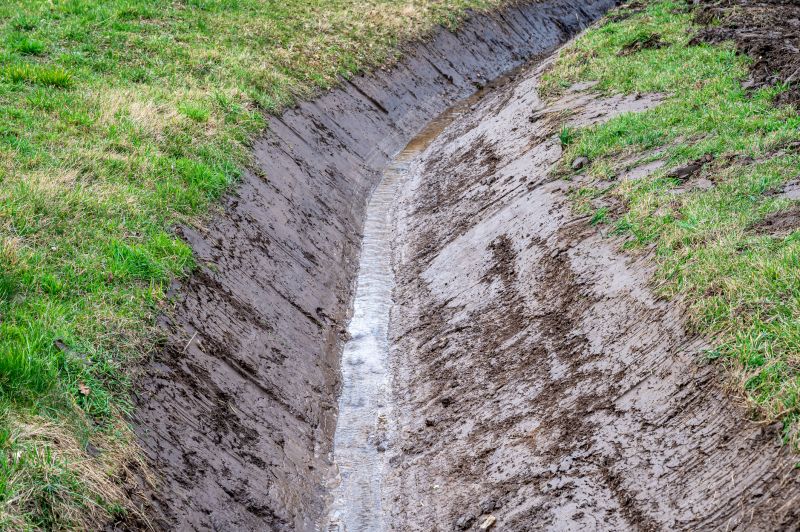
Drainage Ditch Excavation in Houston, TX
Drainage ditch excavation services involve the removal of soil and debris to create or improve channels that direct excess water away from a property. These projects are commonly requested for managing stormwater runoff, preventing flooding, and protecting foundations. Property owners typically seek this service when experiencing persistent water pooling, erosion issues, or when planning landscape modifications that require proper water flow management.
Before requesting drainage ditch excavation, property owners should consider the current drainage patterns and identify problem areas that need improvement. Understanding the scope of the project, including the size and location of the ditch, helps ensure the work addresses specific water management concerns. Clarifying any underground utilities or existing structures in the excavation zone is also important to prevent potential complications during the process.
Many property owners in Houston, TX look into Drainage Ditch Excavation for repairs, replacements, upgrades, and appearance-related improvements.
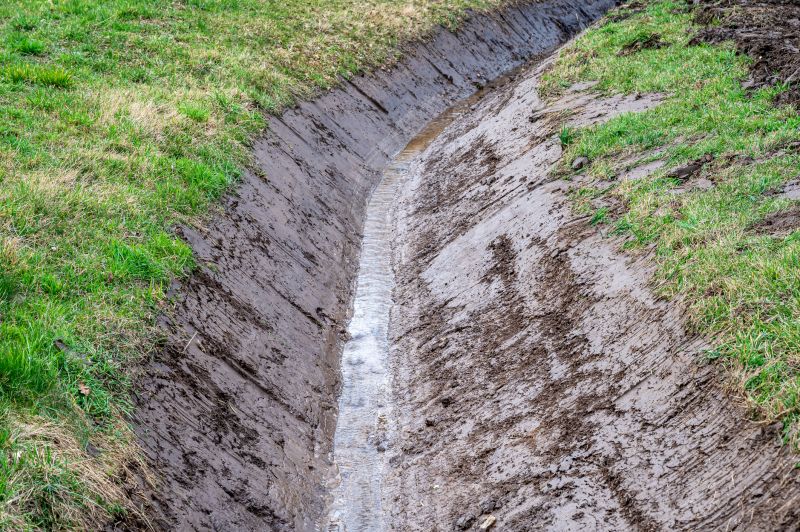
Drainage Ditch Design
Proper design ensures effective water flow and reduces flooding risks on residential properties.
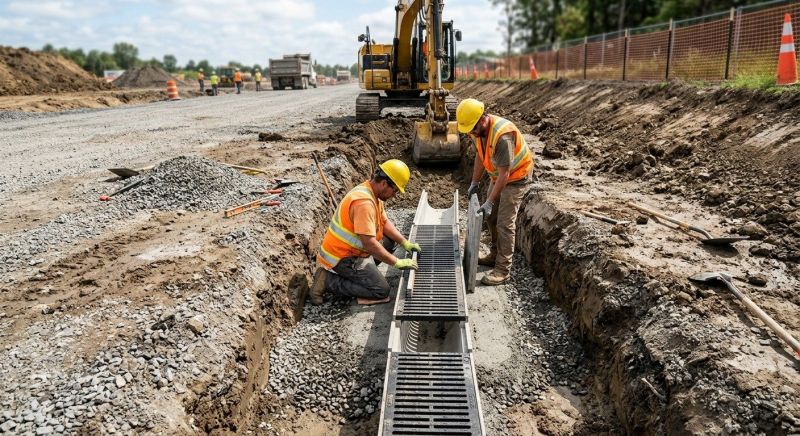
Excavation And Construction
Professional excavation creates durable drainage channels that handle heavy rain and runoff in houston, tx.
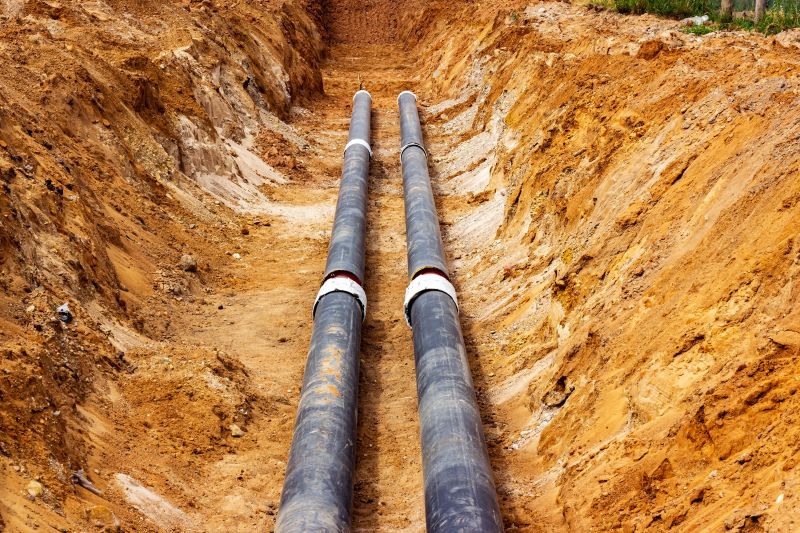
Maintenance And Repairs
Regular upkeep helps prevent blockages and maintains optimal drainage performance for your property.
Drainage Ditch Excavation in Houston, TX
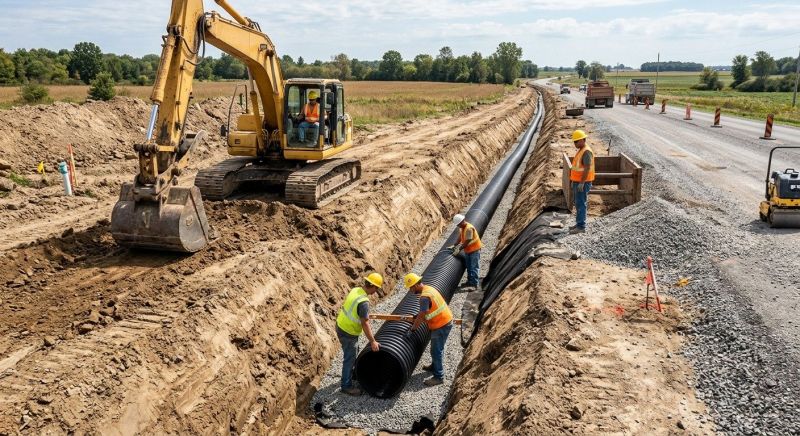
Drainage ditch excavation services involve the removal of soil and debris to create or improve channels that direct excess water away from a property. These projects are commonly requested for managing stormwater runoff, preventing flooding, and protecting foundations. Property owners typically seek this service when experiencing persistent water pooling, erosion issues, or when planning landscape modifications that require proper water flow management.
Before requesting drainage ditch excavation, property owners should consider the current drainage patterns and identify problem areas that need improvement. Understanding the scope of the project, including the size and location of the ditch, helps ensure the work addresses specific water management concerns. Clarifying any underground utilities or existing structures in the excavation zone is also important to prevent potential complications during the process.
Many property owners in Houston, TX look into Drainage Ditch Excavation for repairs, replacements, upgrades, and appearance-related improvements.
Common Drainage Ditch Excavation Jobs
Drainage Ditch Excavation - creates channels to direct water away from foundations and landscaping.
Flood Prevention - helps manage heavy rain runoff to reduce flooding risks on residential properties.
Soil Erosion Control - stabilizes slopes and prevents soil loss around the property perimeter.
Landscape Drainage Solutions - improves yard drainage to prevent standing water and muddy areas.
Property Drainage Assessment - evaluates existing drainage issues and recommends effective excavation solutions.
Stormwater Management - designs and excavates ditches to handle seasonal heavy rainfall efficiently.
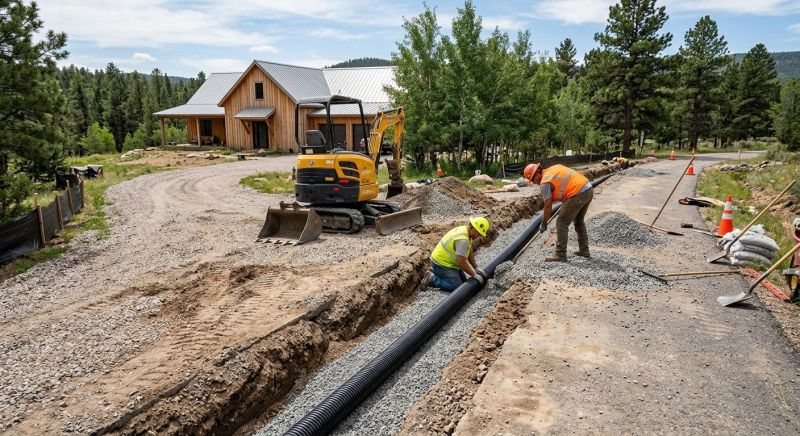
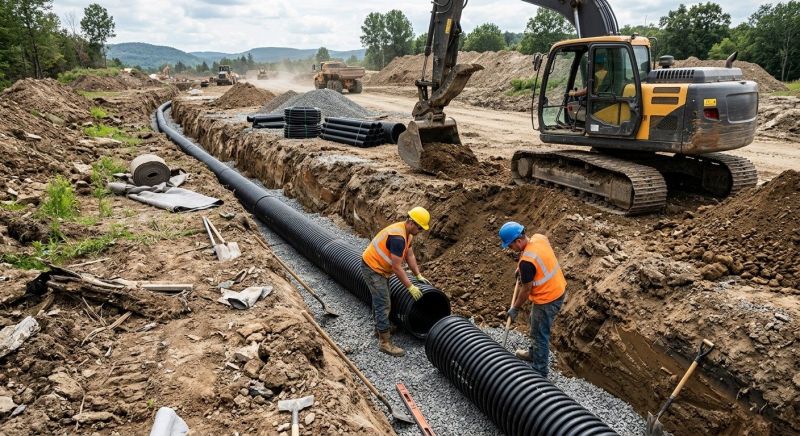
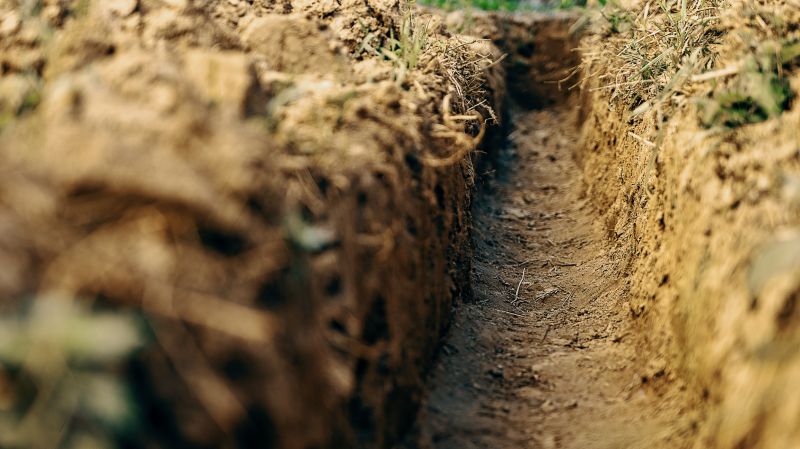
Drainage Ditch Excavation Questions
What is drainage ditch excavation used for? It helps manage excess water runoff and reduces flooding around properties by creating effective drainage pathways.
What types of projects typically require drainage ditch excavation? Projects include landscaping, yard drainage improvements, and preventing water accumulation near foundations.
How deep are drainage ditches usually dug? Ditches are typically excavated to depths that allow proper water flow, often between 6 inches to 3 feet, depending on the site needs.
What should property owners consider before scheduling drainage ditch excavation? It's important to assess existing landscape conditions and ensure proper planning for water flow and drainage efficiency.
Request Drainage Ditch Excavation in Houston, TX
Use the quote form on this page to share the basics of your project and request more information for the type of work you need.