Spruce Tree Removal in Allentown, PA
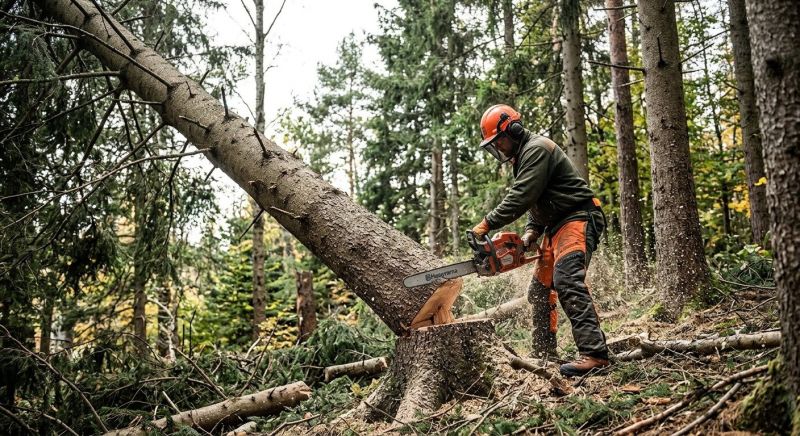
Spruce tree removal services involve the careful and efficient elimination of spruce trees that may be dead, diseased, damaged, or simply no longer desired on a property. This process typically includes assessing the tree’s size and location, safely cutting and removing the tree, and properly disposing of the debris. Projects may range from removing a single problematic tree to clearing multiple spruces to improve landscape aesthetics, enhance safety, or prepare a site for new construction or landscaping efforts.
Homeowners considering spruce tree removal should understand the importance of evaluating the tree’s health and proximity to structures, power lines, or other trees before proceeding. It’s also helpful to know that proper removal techniques can prevent damage to surrounding vegetation and property. Contacting a professional can provide guidance on the scope of the project, potential challenges, and best practices for safe and effective tree removal tailored to the specific needs of the property.
Many property owners in Allentown, PA look into Spruce Tree Removal for repairs, replacements, upgrades, and appearance-related improvements.
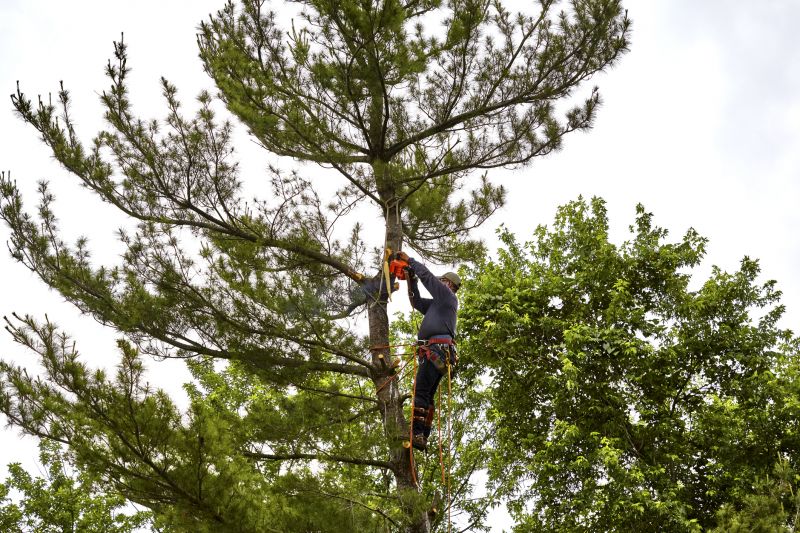
Reasons To Remove Spruce Trees
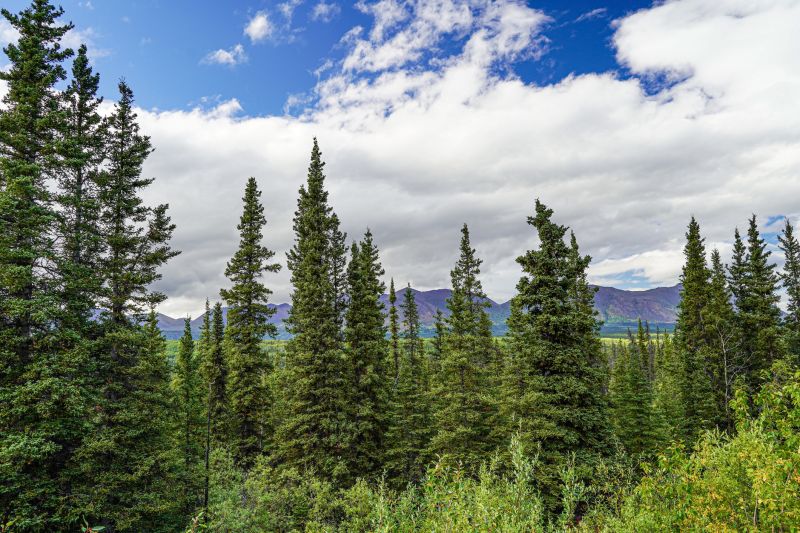
Removing unhealthy or damaged spruces can improve overall landscape safety and appearance.
Methods For Spruce Tree Removal
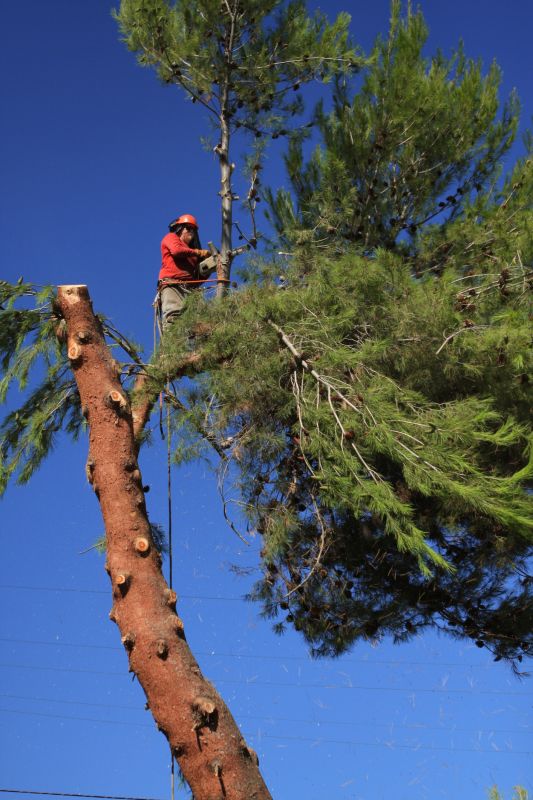
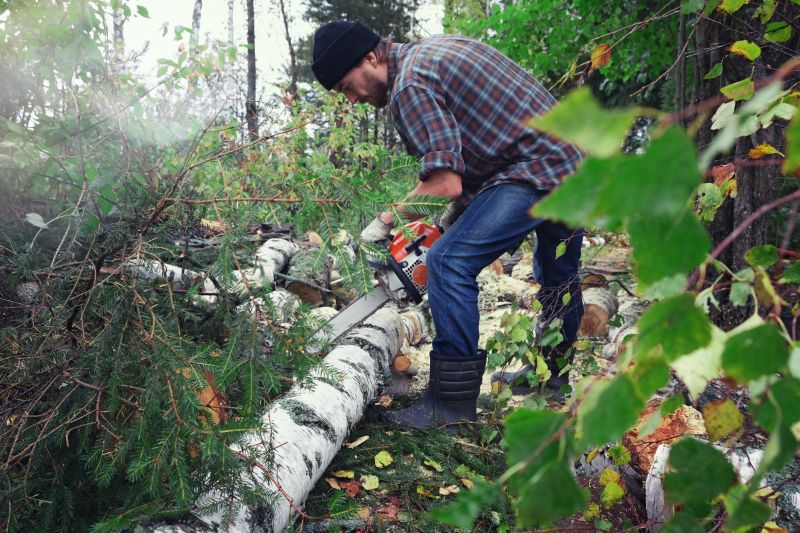
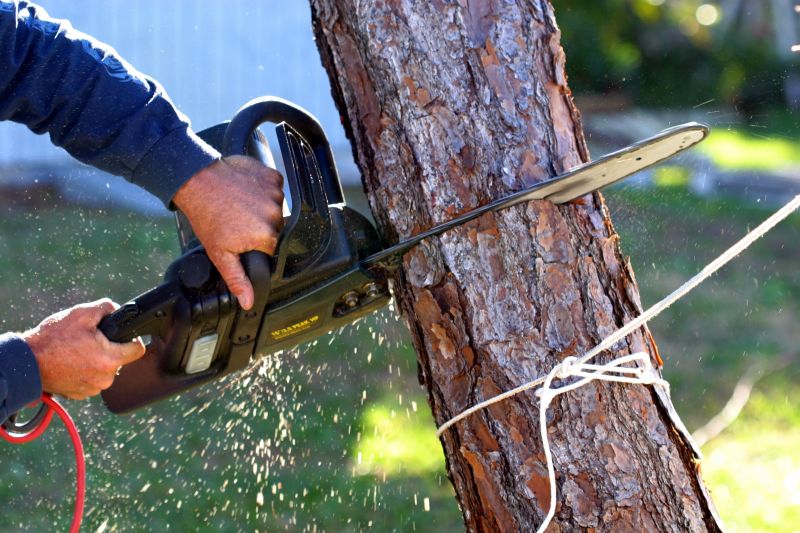
Professional removal involves careful planning and equipment to safely eliminate mature spruces near structures.
Aftercare And Landscaping Tips
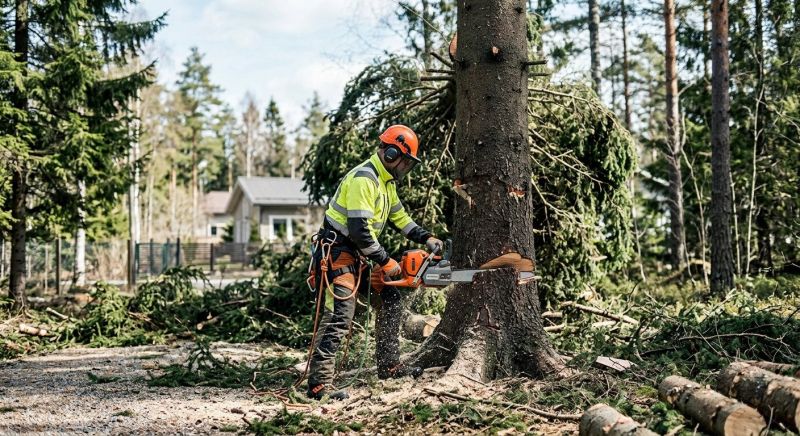
Stump grinding and site cleanup help restore the area for new planting or other landscape enhancements in allentown, pa.
Spruce Tree Removal in Allentown, PA
Spruce tree removal services involve the careful and efficient elimination of spruce trees that may be dead, diseased, damaged, or simply no longer desired on a property. This process typically includes assessing the tree’s size and location, safely cutting and removing the tree, and properly disposing of the debris. Projects may range from removing a single problematic tree to clearing multiple spruces to improve landscape aesthetics, enhance safety, or prepare a site for new construction or landscaping efforts.
Homeowners considering spruce tree removal should understand the importance of evaluating the tree’s health and proximity to structures, power lines, or other trees before proceeding. It’s also helpful to know that proper removal techniques can prevent damage to surrounding vegetation and property. Contacting a professional can provide guidance on the scope of the project, potential challenges, and best practices for safe and effective tree removal tailored to the specific needs of the property.
Many property owners in Allentown, PA look into Spruce Tree Removal for repairs, replacements, upgrades, and appearance-related improvements.
Common Spruce Tree Removal Jobs
Tree Removal - safely removes damaged or dead trees to prevent hazards.
Stump Grinding - eliminates tree stumps to improve landscape appearance and safety.
Emergency Tree Removal - responds to storm-damaged trees that pose immediate risks.
Selective Tree Removal - removes specific trees to enhance property aesthetics and health.
Hazard Tree Assessment - evaluates trees for stability and potential risks before removal.
Root Removal - extracts invasive roots that threaten foundations or underground utilities.
Spruce Tree Removal Questions
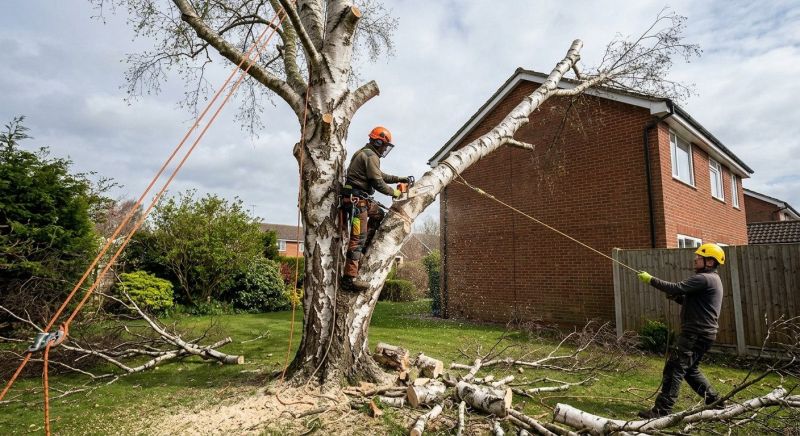
When is tree removal necessary? Tree removal may be needed if a tree is diseased, damaged, or poses a risk to property or safety.
What signs indicate a tree should be removed? Signs include dead or dying branches, leaning, root damage, or visible decay.
How does tree removal impact the landscape? Removing a tree can open up space, improve sunlight, and enhance overall property appearance.
Are there alternatives to full tree removal? Options like pruning or trimming can sometimes address concerns without removing the entire tree.
Request Spruce Tree Removal in Allentown, PA
Use the quote form on this page to share the basics of your project and request more information for the type of work you need.